Website design is the process that shapes a website into a clear, organized and user-friendly experience. It establishes the structure of pages, navigation and content, so users understand where to go and how to complete tasks. It also creates the visual layout, which arranges text, images and interactive elements into clear, logical screens that support easy navigation.
Website design strengthens visual hierarchy, so important content receives attention before supporting details. This hierarchy helps users scan pages more quickly, recognize key actions and understand information with less effort. It also improves mobile responsiveness, so the website adapts to different screen sizes and preserves clarity, organization and usability on every device.
Website design also applies accessibility, so people with different abilities can perceive, understand and use every part of the website with confidence. These principles work together to create a consistent experience that supports clear communication, simple navigation and reliable interaction. As a result, website design combines structure, visual layout, visual hierarchy, mobile responsiveness and accessibility into one effective, user-friendly website.
What is website design?
Website design is the process that turns website design into a website that looks attractive, works reliably and presents digital content clearly. It balances visual aesthetics with functionality, so every page communicates a clear purpose and delivers a consistent user experience.
Color schemes create a recognizable visual style across the website, while typography improves readability, separates content and highlights important information. These design choices keep every page organized, clear and easy to understand.
User navigation and layout guide visitors from one page to the next, so they find information quickly and complete tasks without confusion. Together, these elements produce a website that looks consistent, communicates clearly and supports both visitor needs and business goals.
Why is website design important?
Website design is important because it creates the first impression visitors experience when they visit a website. It also strengthens brand's credibility through a clear, consistent and professional appearance that builds user trust. This foundation encourages visitors to stay longer and explore more pages with confidence.
It also improves search engine rankings through clear structure, fast performance and simple navigation. Better visibility attracts more visitors and produces better business results, such as more inquiries, sales and sign-ups. These outcomes also support higher conversion rates because users can find information easily and complete important actions with less effort.
The importance of Website design is listed below.
Instant First Impressions: Instant first impressions help visitors decide whether a website looks professional and trustworthy within seconds.
Builds Brand Trust: Brand trust grows when a website presents a clear, consistent and professional appearance.
Drives Conversions: Higher conversion rates result when a clear website helps users complete important actions with less effort.
Mobile Responsiveness: Mobile responsiveness keeps the website clear, usable and consistent across different screen sizes.
Boosts SEO Rankings: Boosts SEO rankings because clear website design improves site structure, page performance and search visibility.
What are the goals of website design?
The goals of website design are to connect user needs with business objectives through a clear, organized and effective website. Website design supports business objectives because it guides visitors toward meaningful actions, such as inquiries, purchases and sign-ups. It also strengthens brand credibility through a professional, consistent and trustworthy appearance that encourages user confidence.
It improves user experience because clear navigation, fast performance and simple page structure help users find information and complete tasks with less effort. These qualities also optimize for conversions because visitors can recognize important information, follow clear calls to action and complete desired goals more easily.
The goals of website design are listed below.
Optimize for Conversions: Optimize for conversions helps visitors complete important actions through clear calls to action, simple forms and well-placed information.
Enhance User Experience (UX): Enhance user experience (UX) gives users clear navigation, fast performance and simple interactions that support every task.
Build Trust and Credibility: Build trust and credibility through a professional, consistent and reliable website that encourages visitor confidence.
Align with Business Strategy: Align with business strategy by supporting business objectives through pages, content and features that produce measurable results.
What should you consider before website design?
You should consider the site's purpose, target audience, content and structure, mobile responsiveness and long-term planning before website design. The site's purpose defines what the website should achieve, while the target audience determines what information, features and messages users expect. These decisions give every page a clear direction from the beginning.
Content and structure organize information into a logical order that helps visitors find what they need without confusion. They also support mobile responsiveness, so layouts, text and media remain clear across different screen sizes. Early planning prevents costly redesigns because important decisions happen before development begins.
These factors create a smooth user journey because visitors can move through the website easily, understand each page and complete important actions with confidence.
The important factors before a website design are listed below.
Goals: Goals define the site's purpose and establish clear objectives for the website.
User Pain Points: User pain points identify the challenges the target audience faces and show what the website should solve.
Sitemap: Sitemap organizes content and structure into a logical page hierarchy that supports a smooth user journey.
Copywriting: Copywriting explains the site's purpose through clear messages that match the target audience.
Navigation: Navigation guides users through the website with clear pathways that reduce confusion.
Layout: Layout arranges page elements into a clear and organized structure that improves readability.
Responsive Design: Responsive design keeps layouts and content consistent across different screen sizes and devices.
Hosting and CMS: Hosting and CMS provide the technical foundation that supports website performance, security and content management.
SEO: SEO improves website visibility because search engines understand clear content and structure more easily.
Accessibility: Accessibility gives people with different abilities equal access to website content and supports a smooth user journey.
What are the core principles of website design?
The core principles of website design define the essential practices that create websites people can understand, trust and use with confidence. These principles balance visual appeal with technical functionality, so every page looks professional and works reliably. This balance also improves the visitor’s journey because users can find information, complete tasks and move through the website without confusion.
These principles also apply visual design rules that support organizing content logically across every page. Clear organization helps visitors recognize important information, understand page relationships and reach key actions more easily. It also strengthens inclusive accessibility, so people with different abilities can use the website without unnecessary barriers.
The core principles of UI design are listed below.
User-Centric Focus: User-centric focus places visitor needs, goals and expectations at the center of every design decision.
Web Accessibility (WCAG): Web accessibility (WCAG) follows recognized accessibility guidelines so more people can perceive, understand and use website content.
Intuitive Navigation: Intuitive navigation gives visitors clear pathways that help them move through the website with confidence.
Visual Hierarchy & Scanning: Visual hierarchy and scanning organize content so visitors notice important information before supporting details.
Grid-Based Layouts: Grid-based layouts align page elements into a clear and consistent structure.
Contrast & Emphasis: Contrast and emphasis highlight important content, actions and visual elements.
Whitespace (Negative Space): Whitespace creates space between elements so pages remain clear and easy to scan.
Typography & Consistency: Typography and consistency improve readability through clear, uniform text styles.
Mobile Responsiveness: Mobile responsiveness keeps layouts clear and usable across different screen sizes.
Fast Load Times: Fast load times reduce waiting time and help visitors stay engaged throughout the website.
How does the website design process work?
The website design process works through a clear sequence that transforms an idea into a live website. It defines project goals and identifies user needs before design begins. These decisions give every stage a clear purpose and reduce unnecessary changes later.
The process also develops visual design that gives the website a consistent appearance and a clear interface. It then moves to development, where approved designs become a functional website. Every stage connects with the next one, so the final website meets user needs and business goals.
The website design process is listed below.
Planning and Strategy: Planning and strategy define the website's purpose, audience and project goals before design begins.
Structure and Information Architecture: Structure and information architecture organize pages and content into a clear and logical hierarchy.
Visual Design and UI: Visual design and UI establish the website's layout, colors and interface for a consistent user experience.
Development: Development converts the approved design into a functional website through coding and system integration.
Testing and Quality Assurance (QA): Testing and quality assurance (QA) identify errors, verify performance and confirm website usability before launch.
Launch and Maintenance: Launch and maintenance publish the live website, monitor performance and keep the website secure, current and reliable.
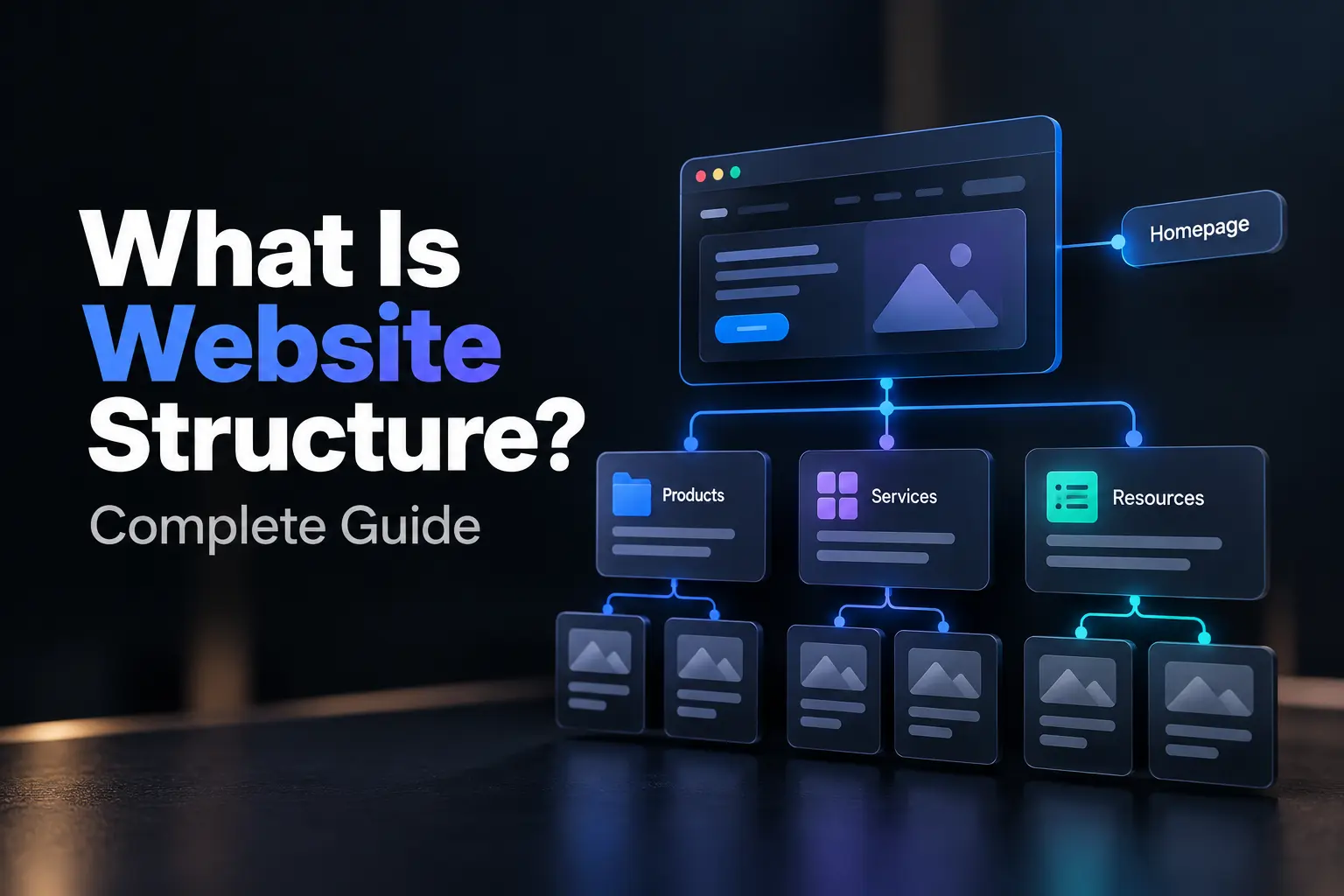
How does website structure support website design?
Website structure supports website design because it creates a clear framework for pages, content and navigation. It also organizes intuitive navigation menus, so visitors find information quickly and move through the website without confusion. These decisions give every page a clear purpose before visual design begins.
Website structure also creates clear visual hierarchies that direct attention to the most important information first. This organization keeps pages consistent, improves content flow and gives designers a reliable foundation for website design. The result is a website that is easier to navigate, understand and maintain.
The key ways website structure supports website design are listed below.
Establishes Visual Hierarchy: Establishes visual hierarchy because clear content organization directs attention to the most important information first.
Improves User Experience (UX): Improves user experience (UX) because visitors find information quickly and move through the website with less confusion.
Guides Wireframing: Guides wireframing because a clear website structure gives designers a logical foundation for page layouts and element placement.
Boosts SEO and Discoverability: Boosts SEO and discoverability because clear page relationships help search engines understand the website and help visitors find relevant content.
Maintains Consistency: Maintains consistency because a clear website structure keeps pages predictable, connected and easy to use across the entire website.
What is website layout?
A website layout is the arrangement of visual elements that gives every web page a clear and logical structure. It directs the user's attention through visual hierarchy, so visitors recognize important information before supporting content. This structure helps users understand each page quickly and move through the website with confidence.
Website layout includes a header, a hero section, a main content area, a sidebar and a footer that work together across the page. The header provides navigation, the hero section introduces the primary message and the main content area presents essential information. A sidebar displays supporting content when needed, while the footer provides additional navigation and important website information.
What is visual hierarchy in website design?
Visual hierarchy in website design is the arrangement of page elements that directs attention to the most important information first. It creates a clear reading order, so visitors understand content quickly and identify important actions with confidence. This structure makes every page easier to understand.
Visual hierarchy uses scale and size to establish importance because larger elements attract attention before smaller ones. It also uses color and contrast to highlight key content and whitespace to separate information and reduce visual clutter. It uses proximity and grouping to connect related content and alignment to keep every element in a clear and consistent position across the page.
What is navigation in website design?
Navigation in website design is the system that helps users move through a website and find information with ease. Good navigation improves user experience because it gives users a clear path from one page to the next. This guidance reduces confusion and helps users complete tasks with confidence.
Good navigation uses consistent menus so users know where links and pages appear throughout the website. It also uses clear labels that explain the purpose of each section. Recognizable symbols give users familiar visual cues that help them identify actions, features and navigation options more quickly.
Why is website content important in website design?
Website content is important in website design because it communicates information, explains the purpose of each page and guides visitors toward important actions. It also improves user understanding because clear content gives every page meaning and direction. This connection helps visitors recognize important information and complete tasks with confidence.
Website content also gives website design a clear structure because it determines what information appears first and how each page should present it. It strengthens communication, supports user decisions and creates a consistent experience across the website. These qualities help visitors understand information, trust the website and respond to important messages.
The importance of website content in website design is listed below.
Guides Structure & Layout: Guides structure and layout because clear content determines page organization, content priority and information flow.
Improves Search Engine Optimization (SEO): Improves search engine optimization (SEO) because clear, relevant content helps search engines understand and index website pages.
Drives User Action: Drives user action because clear content encourages visitors to complete important actions with confidence.
Builds Trust and Credibility: Builds trust and credibility because accurate, consistent and valuable content increases visitor confidence in the website.
How does visual style influence website design?
Visual style influences website design because it determines how visitors see, understand and respond to every page. It creates an emotional foundation that shapes first impressions and helps visitors recognize the website's purpose more quickly. This connection gives every page a clear visual identity and a consistent appearance.
Visual style also creates the aesthetic-usability effect, so visitors often perceive an attractive website as easier to use. It supports clear communication, strengthens brand recognition and helps visitors understand important information with less effort. These qualities improve the overall quality of website design and encourage greater user confidence.
The key elements of visual style that influence website design are listed below.
Brand Identity & Trust: Brand identity and trust grow because visual style creates a consistent, professional and recognizable website.
Visual Hierarchy: Visual hierarchy directs attention to important information and helps visitors understand content in the correct order.
Cognitive Load: Cognitive load decreases because visual style presents information in a clear and organized way.
User Engagement: User engagement increases because visual style creates an appealing experience that encourages visitors to explore the website and complete important actions.
How does usability improve website design?
Usability improves website design because usability makes every page easier to understand, navigate and use. It reduces user frustration, increases efficiency and helps users complete tasks with less effort. These qualities create a smoother experience and encourage visitors to stay on the website longer.
Usability also supports lower abandonment because visitors can find information without confusion. It lowers bounce rates through clear navigation and logical page organization. These improvements increase conversion rates, produce higher conversions and strengthen brand trust because users view the website as reliable, professional and easy to use.
How does responsive design improve websites?
Responsive web design improves websites as it adapts every page to different screen sizes and devices. This flexibility increases user engagement, so visitors read content, navigate pages and complete tasks with ease.
Responsive web design also supports organic search rankings. Search engines favor websites that provide a consistent experience across different devices, so more users can discover the website. This consistency helps visitors access the same content on every device.
Responsive web design reduces development costs. One responsive website replaces multiple device-specific versions and simplifies updates and maintenance. This advantage makes website management easier and more efficient.
The key benefits of responsive design are listed below.
Improved User Experience (UX): Improved user experience (UX) gives visitors a clear and consistent experience across different devices.
Higher Search Engine Rankings: Higher search engine rankings improve as responsive web design supports mobile-friendly performance and consistent usability.
Reduced Bounce Rates: Reduced bounce rates occur when clear layouts and simple navigation encourage visitors to explore more pages.
Lower Development and Maintenance Costs: Lower development and maintenance costs result when one responsive website replaces multiple device-specific versions.
Better Accessibility: Better accessibility gives more people equal access to website content across different screen sizes and devices.
Why is accessibility important in website design?
Website accessibility is important in website design as it makes digital content easier for people with different abilities to access and use. It removes barriers that limit access, so more users can complete tasks and find information with confidence. This approach creates a more inclusive website from the beginning.
Website accessibility also improves user experience through clear navigation, readable content and easy-to-use controls. These improvements help more people interact with the website successfully and increase the overall quality of website design. They also help every visitor use the website with greater confidence and less effort.
The importance of website accessibility in website design is listed below.
Legal Compliance and Risk Reduction: Legal compliance and risk reduction help organizations meet accessibility requirements and reduce legal and operational risks.
Expanding Audience Reach: Expanding audience reach gives more people access to digital content and increases the number of potential visitors.
Better SEO and Technical Performance: Better SEO and technical performance improve when accessible website design creates clear content and a logical structure.
Improved Usability for All Users: Improved usability for all users makes navigation, reading and interaction easier across the website.
Ethical and Social Responsibility: Ethical and social responsibility promote equal access and demonstrate respect for people with different abilities.
Why is website functionality important?
Website functionality is important as it keeps a website reliable, responsive and easy to use. It strengthens an online presence and helps visitors navigate pages, use features and complete tasks without difficulty. These improvements create a better user experience (UX) and encourage more conversions.
Website functionality also supports search engine optimization (SEO) through reliable performance and a clear website structure. Better performance improves search visibility, so more people can discover the website. Consistent performance also strengthens brand credibility and builds lasting trust and credibility among visitors.
Why is website performance important in website design?
Website performance is important in website design since it helps visitors access pages quickly, complete tasks smoothly and interact with the website without delays. Fast performance improves user experience (UX), increases user satisfaction and helps reduce bounce rates. These improvements encourage visitors to stay longer and complete more actions.
Website performance also strengthens search engine rankings through reliable speed and stable page delivery. Better visibility attracts more visitors and creates more opportunities for higher conversion rates. Increased conversions help businesses maximize revenue, while consistent performance strengthens confidence in the website.
The importance of website performance in website design is listed below.
User Retention: User retention increases after fast and reliable website performance encourages visitors to stay longer and return more often.
Search Engine Optimization (SEO): Search engine optimization (SEO) improves when reliable website performance helps pages achieve stronger search engine rankings.
Conversion Rates: Conversion rates increase after fast website performance helps visitors complete important actions with less effort.
Mobile Usability: Mobile usability improves through responsive website performance that keeps pages fast and easy to use across different devices.
Brand Credibility: Brand credibility grows when reliable website performance creates a professional and dependable experience for visitors.
What are the essential components of website design?
The essential components of website design include clear navigation, consistent branding, compelling visual design and effective calls-to-action. Together, these components improve user experience and help visitors understand content, move through the website and complete important actions with confidence.
These components also create a strategic layout that gives every section a clear purpose. Clear navigation guides visitors from one page to the next, while consistent branding, compelling visual design and calls-to-action strengthen user experience and support website goals.
The essential components of website design are listed below.
Header & Menu: Header and menu provide clear navigation that helps visitors reach important pages quickly.
Hero Section: Hero section presents the primary message and introduces the website's main purpose.
Main Content Area: Main content area delivers the most important information in a clear and logical order.
Footer: Footer provides important links, contact details and supporting website information.
Search & Breadcrumbs: Search and breadcrumbs help visitors locate information and understand their current location within the website.
Branding: Branding creates a consistent visual identity that improves recognition and trust.
Clean Layout: Clean layout organizes content into a clear structure that improves readability and usability.
Imagery & Media: Imagery and media support communication through relevant visuals that strengthen page content.
Call-to-Action (CTA): Call-to-action (CTA) encourages visitors to complete important actions that support website goals.
Social Proof: Social proof builds visitor confidence through testimonials, reviews and other trust signals.
Responsive Design: Responsive design keeps the website clear and functional across different screen sizes and devices.
Loading Speed: Loading speed reduces waiting time and helps visitors interact with the website without unnecessary delays.
Accessibility: Accessibility gives people with different abilities equal access to website content and features.
SEO & Analytics: SEO and analytics improve website visibility and provide data that supports continuous website improvement.
What is a website header?
A website header is the top section of a webpage that displays the brand logo, navigation menu, contact information, utility icons and call-to-action (CTA). These elements introduce the website before website design creates a clear structure, guides visitors through each page, supports navigation, strengthens recognition and gives users confidence as they explore the website.
What is a website footer?
A website footer is the bottom section of a webpage that contains site navigation, contact information, legal & copyright, social links and a call to action (CTA). These elements complete website design with clear support for visitors, simple access to important resources, stronger navigation, reliable information and confident decisions across every page.
What is a navigation menu?
A navigation menu is an interactive list of links that guides users through a website or application. It organizes pages, sections and features into a clear structure, so users can find information, move between destinations and complete tasks more efficiently.
What is website typography?
Website typography is the arrangement of text that improves clarity, readability and communication across a website. It uses typefaces & fonts to create visual hierarchy, establish consistent spacing and support responsiveness across different screen sizes. These qualities help users read content easily and understand information more clearly.
What is website color?
Website color is the color palette that defines the visual appearance and brand identity of a website. It includes primary color, secondary color, accent color, background color, text color, neutral colors and status colors. These colors create visual consistency, improve readability and guide attention to important content.
What is white space in website design?
White space in website design is the empty space that separates visual elements and creates a clear, organized layout. Macro white space separates major sections, while micro white space improves text readability. Active white space directs attention to important content, and passive white space creates natural spacing that improves visual clarity.
What visual content should a website include?
A website's visual content should include a brand logo, hero image or video, product or service photography, infographics & charts, custom videos, strategic icons and team photos. These visual elements communicate information, strengthen brand identity, improve readability and help visitors understand website content more quickly.
What calls to action should a website include?
A website's call to action should include clear actions such as Buy Now, Sign Up, Contact Us, Download and Book a Demo. Every website should present a primary conversion action, a low-friction exploratory action and a long-term retention action. These calls to action guide visitors, support decisions and encourage meaningful engagement.
Should every website follow the same design approach?
No, every website should not follow the same design approach. Common design patterns support intuitive navigation, while each website should reflect its brand's unique goals, content and audience. This balance creates familiar experiences without sacrificing a distinctive identity.
Why is website maintenance important?
Website maintenance is essential because it keeps a site secure, preserves fast loading speeds and ensures reliable performance. Regular maintenance helps retain visitors, prevents technical issues and supports stronger search engine rankings. These improvements keep the website reliable, current and easy to use.
What are the latest website design trends?
Latest website design trends are kinetic typography, AI-driven personalization, tactile maximalism, Y2K nostalgia, intentional imperfection, frosted touch & light skeuomorphism and resonant stark. These trends create engaging interfaces, improve usability, strengthen visual identity and deliver more distinctive experiences across modern websites.
.svg)
.svg)
.svg)
.svg)